BLACKWOOD Builds
Legal kit by day, modular violence by night, rent always on time.
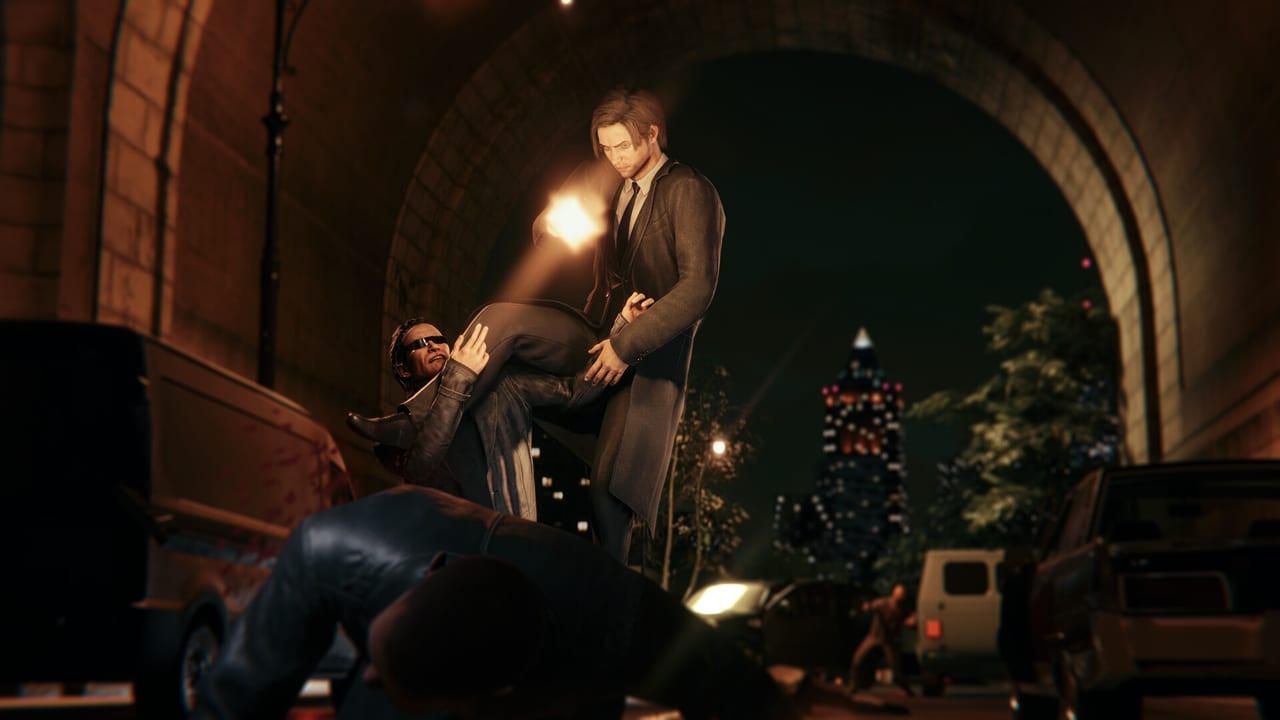
A BLACKWOOD “build” is not a skill tree screenshot. It is a pair of wallets, a pair of guns, and a month that can still end the save. This page proposes conservative Act 1 loadouts from systems the studio has already explained. It does not rank unreleased rifles. For the gunsmith rules, stay on weapon customization. For takedown timing, stay on combat. For the bill, stay on the bill planner.
The double-life constraint
You cannot wear a full black-market kit to the DVD counter and call it a build. Clean Cash buys outfits and civilian weapons. Dirty Cash buys rare guns, illegal mods, untraceable ammo, and some takedown items. A coherent Act 1 plan therefore has two layers:
- A day kit that lets Anton Blackwood stand in the shop and on Brooklyn streets without looking like a raid.
- A night kit that you assemble as unique instances and feed with stripped parts.
If the day kit is empty, the fantasy of the double life collapses and you may lack a legal firearm when a scene does not want a rifle on the counter. If the night kit is empty, store management cannot shoot for you.
Build A — Shop-first survivor
Goal: never miss the 11–13k month. Play this if you like the retail half and fear the game-over strike system.
- Spend early Clean Cash on shop upgrades that raise the daily floor above the $60–$80 autopilot pit.
- Keep a civilian sidearm you actually practise with in controls so daytime emergencies are not a menu panic.
- Take contracts only after a restock pass.
- Convert Dirty Cash into ammo and one modular platform, not a collection.
- Pay hush money in slices so a bad week cannot stack two strikes.
This build uses Amelie as uptime. You leave, she holds the till, you return and run checkout for the high $500 days. Combat can stay on a middle difficulty until the legal buffer exists.
Build B — Contract closer
Goal: finish Act 1’s four main missions with a strong night platform and still not wipe on rent.
- Unlock a Dirty Cash gun you will keep as the unique instance for the whole act.
- Feed it parts from damaged black-market wrecks instead of buying a second unfinished rifle.
- Budget special takedown items only if you already fight close — they heal a stage, they do not pay rent.
- Schedule at least some high-effort shop days each week so Clean Cash does not starve.
- Replay main missions for practice, not as an excuse to skip sleep planning. The month still moves.
Side missions with weapon restrictions will punish this build if your only gun is the restricted class. Keep a compatible backup instance, even if it is ugly.
Build C — Takedown fighter
Goal: play the melee identity the studio is proud of.
- Watch the melee overview linked from combat and practise dive-to-shove spacing.
- Spend Dirty Cash on items that unlock unique takedowns after the monthly bill is under control.
- Prefer interiors and geometry-heavy streets over long open lanes.
- Accept that staged health makes greed expensive; a missed takedown is a stage you may not get back with a medkit.
- Keep a compact firearm instance for targets you cannot reach with a shove.
This is the build that looks like the trailers. It is also the build that dies in a parking lot if you ignore the gun. Hybrid or it is a highlight reel.
Difficulty as a build choice
Adjustable difficulty is a Steam feature. Highest-setting ammo concealment changes what “good build” means. Magazine comfort and reload inspect matter more than a small damage mod. If you cannot hear reloads, use controls volume sliders before you blame the gunsmith.
Do not copy a creator’s max-difficulty kit on night one of Act 1. The campaign is still a story about a shop owner. You can raise the setting after you understand dual economy and the shop calendar.
Spending order (all three builds)
- Clean Cash buffer toward the monthly bill.
- Shop upgrades that protect autopilot days.
- One civilian gun you can shoot.
- One night platform you will not vendor.
- Parts and ammo for that platform.
- Takedown items and extra instances last.
If a screenshot tempts you into a fourth rifle, reread weapon customization. Unique instances are permission to specialise, not a command to own the whole black market in week two of a three-act game. The roadmap still has March 2027 and September 2027 slices. Leave wallet space for systems that are not in Act 1.
What this page will become
After launch, each build will cite real inspect-screen names and mission modifiers that break them. Until then, any site listing “best AR” with a made-up stat block is not this wiki. Come here for constraints. Go to the Weapons hub for the rules. Go to Getting Started if you still need the day loop.
Frequently Asked Questions
Quick answers to the most common questions.
Is there a single best BLACKWOOD build?
Not before Act 1 is out. Use a shop-first, contract, or takedown emphasis, but every plan still pays Clean Cash rent. See dual economy.
Can I skip civilian weapons?
You can try, but Clean Cash civilian guns and outfits are part of the published double life. A night-only kit is incomplete.
Should I buy every black-market gun?
No. Keep unique instances you will feed with parts. Extra unfinished guns steal Dirty Cash from ammo and takedown items.
Which build is best for beginners?
Shop-first. Learn store management and middle-difficulty combat before you hide the ammo counter.