BLACKWOOD Clean Cash and Dirty Cash
Two wallets, one month, and a game over if you miss twice.
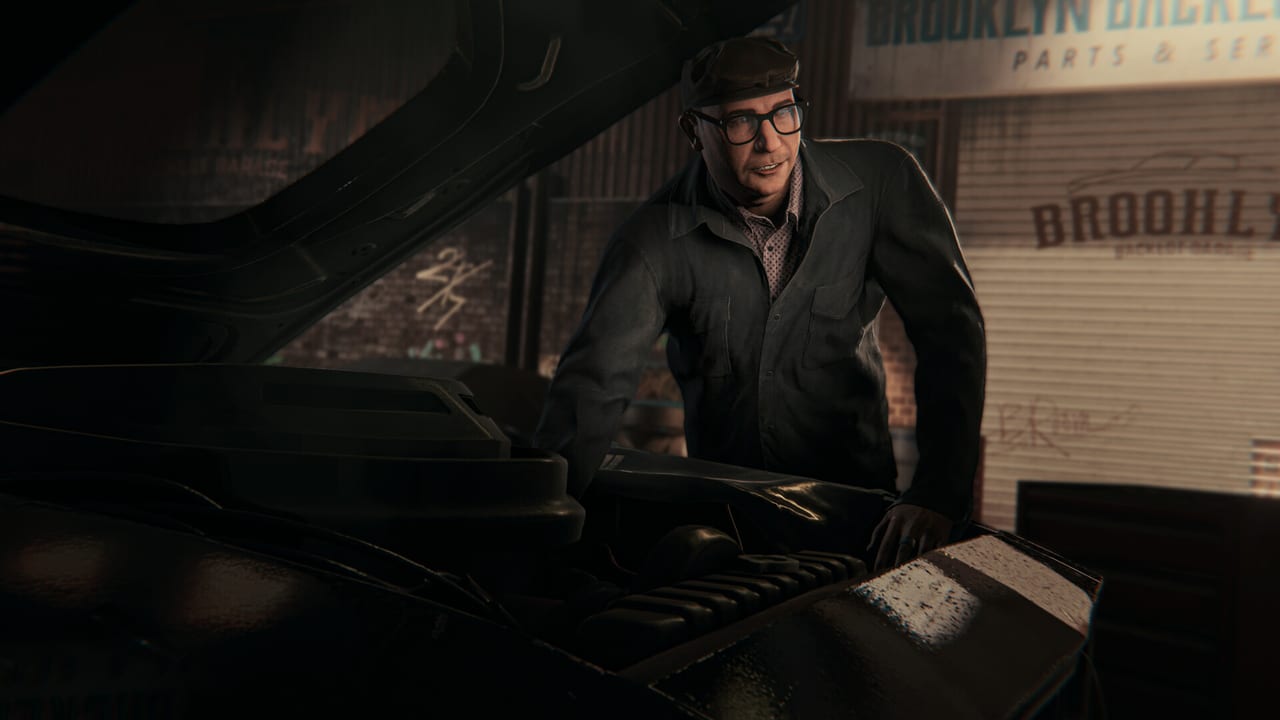
BLACKWOOD splits Anton’s life into two currencies on purpose. Clean Cash is the legal stack. Dirty Cash is the contract stack. The studio’s systems write-up is blunt: neither fully replaces the other. Players who smash every dollar into guns will still owe rent. Players who only run the DVD shop will walk into nights under-armed. This page is the ledger. For the shop actions that create Clean Cash, use store management. For a month-by-month numbers sheet, use the bill planner.
Clean Cash
Clean Cash comes from legitimate work: running the store, managing daily life, and completing certain special missions. It is the stability layer. Official uses include:
- Monthly rent and recurring expenses
- Store upgrades and expansions
- Outfits
- Civilian weapons
- Relationship spending
If the shop is on autopilot, Clean Cash trickles in at the $60–$80 a day rate. If you restock, organise, and price well, the same day can land $500 or more. That is still Clean Cash. It does not become Dirty Cash because you worked hard. Keep the labels straight when you plan a build that wants a legal sidearm for daytime scenes and a black-market rifle for contracts.
Clean Cash is also how Anton continues to look like a shop owner in 2012 Brooklyn. Outfits and civilian guns are not purely cosmetic in a game about a double life. Walking the street and standing behind the counter are part of the fantasy the studio is selling. Starving that side of the budget makes the “normal” half of the day feel unfinished and can block relationship or upgrade beats that sit on the legal wallet.
Dirty Cash
Dirty Cash is earned on missions and contracts. It is riskier and, in the studio’s words, far more lucrative. Official uses include:
- Rare weapons and ammunition
- Black-market upgrades and combat gear
- Special items that unlock unique takedowns
This is the wallet that feeds weapon customization. Military variants, illegal modifications, untraceable ammunition, and damaged guns you rebuild or strip all sit in that underground catalogue. Takedown-unlock items are listed here too, which means a combat style you like might be gated by Dirty Cash even if your aim is already good. Read combat for how takedowns restore health; this page is how you afford the ones that are sold rather than found.
Dirty Cash will not, on the published rules, pay the rent. Do not treat a rich contract as a substitute for shop days. The month still asks for Clean Cash.
The monthly clock
Time is structured. Seven days are a week. Four weeks are a month. The month is not named. At the end of each month you pay bills and hush money totalling about 11–13k. You may pay all at once or in slices during the month. That flexibility is how you avoid a single balloon payment after a bad week.
Consequences are also structured:
- Miss a monthly payment and a warning sequence starts. Police attention or loan sharks show up to ask why you could not pay.
- Miss a second time and the run ends — a game over.
This is the highest-stakes system the studio has explained in plain numbers. Combat deaths are recoverable through the usual action-game grammar. Two unpaid months are not. Plan as if the bill is a boss timer you can see from day one.
A rough mental model, using their own shop figures: ten well-run shop days at $500 is $5,000 Clean Cash, still short of 11–13k if that were your only income. You will need a mix of strong shop days, special missions that pay Clean Cash, and enough leftover legal money after outfits. Contracts can make you feel rich in Dirty Cash while the legal wallet is empty. Check both before you sleep.
How the two wallets shape pacing
The dual economy is a pacing tool. If you chain contracts, the story and the black market move faster, but the shop and relationships lag. If you chain shop days, you are safer on rent and poorer on rare guns. Act 1 has four main missions plus side missions that return with modifiers. That structure lets you replay for money or practice, but the month still advances when you sleep. Replaying a main mission does not pause the bill.
Use side-mission modifiers carefully. A weapon restriction or a timer can burn resources. A lucrative night that wrecks your health staging (see combat) might force a quiet shop day after. Quiet shop days are not wasted if they are the reason you can pay hush money.
Spending order that will not sink a month
Until Act 1 is in players’ hands, treat this as a conservative order based on published sinks, not a min-max sheet:
- Keep a Clean Cash buffer aimed at the 11–13k month, paid early if you can.
- Fund shop upgrades that raise the daily floor so autopilot days hurt less.
- Buy the civilian coverage you actually wear and carry.
- Spend Dirty Cash on ammo and one solid modular platform rather than a pile of novelty guns.
- Unlock takedown items when your combat style is already using melee, not before.
Getting Started puts this in the first-day loop. Anton Blackwood explains why the split is the character. The roadmap reminds you that Act 1 is only the first slice of a three-act purchase — do not empty both wallets assuming the story is over in a weekend.
What we will update after launch
Exact vendor prices, whether hush money is a separate line from rent, and how much Clean Cash special missions pay are not in the pre-release notes. This page will add those figures when they can be checked in the shipping build. Until then, distrust any spreadsheet that lists item costs to the dollar. The two-wallet rule and the two-strike bill are the facts that already change how you play.
Frequently Asked Questions
Quick answers to the most common questions.
Can Dirty Cash pay my rent?
Not according to the published split. Rent, store upgrades, outfits, civilian guns, and relationships are Clean Cash. Contracts fund the black market.
How much is the monthly bill?
About 11–13k in bills and hush money. You can pay gradually. A second missed payment is a game over. The bill planner walks through the calendar.
What if I only run the shop?
You will be safer on rent and weaker at night. Rare weapons, illegal mods, and some takedown items are Dirty Cash. Mix both, as store management and combat describe.
Does replaying missions stop the month?
Main missions are replayable and side missions return with modifiers, but the day-week-month structure still runs. Sleeping advances the bill.