BLACKWOOD Weapon Customization
Every gun is an instance. Parts move. Wrecks are inventory.
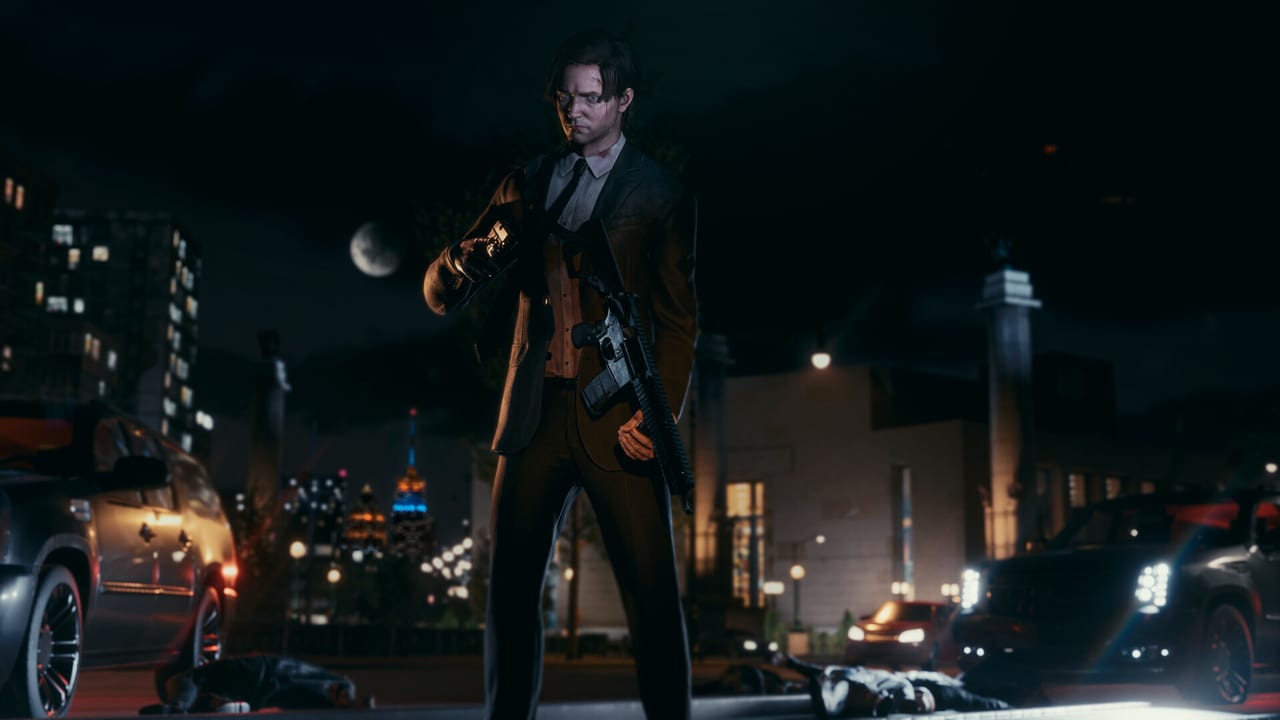
Weapon customization is not a vanity menu in BLACKWOOD. The developer deep dive states it as a core system: every firearm you own is unique, almost every weapon is modular, and compatible parts can move between guns. That is closer to a survival-game gunsmith than to a cosmetic loadout screen. This page unpacks those rules for Act 1. For how a finished gun fights, use combat. For which wallet pays, use dual economy. For role-based loadouts, use builds.
Unique instances
If you buy or loot “the same” rifle twice, you do not own two stacks of one item. You own two objects. Each can wear a different optic, different furniture, a different ammo type if the system allows it, and a different wear state. The deep dive is explicit: you can keep multiple versions of the same weapon, each built differently. That is permission to specialise. It is also a trap for players who treat the inventory like a theme-park shooter and sell the duplicate.
Name your mental copies by job, not by model. One copy might be the quiet night gun. One might be the parts donor. One might be the civilian-legal lookalike you only touch with Clean Cash rules. The Weapons hub will gain real names when the inspect UI is public. Until then, the instance rule is the thing to practice.
Moving parts
“If two weapons are compatible, you can even move parts between them.” That sentence is the entire reason to inspect a wreck before you sell it. A damaged black-market rifle might be worthless as a shooter and valuable as a donor for the platform you already like. Compatibility is not “all rifles share all parts.” It is a subset. After launch we will list confirmed families. Before launch, assume you must check, not guess.
A conservative habit for week one:
- Inspect every new gun for parts you do not already have.
- Move those parts to your main platform if compatible.
- Only then sell, rebuild, or stash the husk.
- Never vendor a unique instance because the name matches a gun you already own.
Ammo is part of this ecosystem. Untraceable ammunition is called out as a black-market product. If a mission modifier restricts weapons, the ammo you stocked for the restricted class is dead weight. Keep a small reserve of a second type if the shop and the market allow it.
Black-market catalogue (categories, not SKUs)
Official videos and copy group the underground shop into types:
- Military variants of guns you might already know as civilian models
- Illegal modifications
- Untraceable ammunition
- Damaged weapons for rebuild, strip, or sale
- Combat gear and special items that unlock unique takedowns
All of that sits on Dirty Cash. The DVD store will not ring these up. If your Dirty Cash is fat and your Clean Cash is empty, you can still fail the month — store management is not optional flavour.
We will not invent suppressor names, optic brands, or a “best illegal mod” until those strings appear in-game. If a creator overlay labels a part, wait for a pause-menu screenshot.
Damaged guns are a resource node
A wreck is three options: rebuild, strip, or sell. Rebuild costs time and money you might owe to hush payments. Strip feeds the instance you actually shoot. Sell is for parts you cannot use and guns that have already been cannibalised. Players who auto-sell yellow-condition weapons in other games should unlearn that here.
Rebuild is tempting because the fantasy is restoring a beat-up 2012-era rifle. Do it when the platform is one you will keep. Do not rebuild five wrecks “for the collection” in Act 1’s four-main-mission slice while the roadmap still has two acts to go. Inventory discipline is a combat skill.
How customization meets difficulty
On the highest difficulty, ammo may not stay on the HUD. That makes magazine size, reload animation, and an inspect-friendly build more valuable than a tiny damage bump. A gun that reloads slowly and hides its count is a harder teacher. Pair this page with controls so the inspect input is comfortable before you crank difficulty.
Takedown items from the black market change close-range kits. If you are building for slides and shoves as in the melee trailer, those items belong in the budget after rent. If you are building for long New York sightlines, skip them until the legal wallet is safe.
Watching the deep dive
The official gameplay deep dive on this page is the right video: attachments, part swapping, black market, dual economy, movement, and difficulty experiments in one sitting. It is developer footage, still subject to polish before September 16, 2026. Use it as a systems tour, then come back to the written rules so a single trailer pass does not become your only plan.
When Act 1 is live, this URL will add a compatibility table and a “do not vendor” list. Until then, the gunsmith rule is short: unique instances, moving parts, Dirty Cash market, wrecks are inventory. Everything else is a screenshot waiting to be verified.
Frequently Asked Questions
Quick answers to the most common questions.
Can two copies of the same gun have different parts?
Yes. Each firearm is a unique instance. The official deep dive says you can keep multiple versions built differently.
What currency buys black-market mods?
Dirty Cash from contracts. Clean Cash covers civilian guns, outfits, and the shop. See dual economy.
Should I rebuild every damaged gun?
No. Strip for parts first, rebuild only platforms you will keep, and sell husks. Act 1 is a short mission list — do not run a museum.
Where do unique takedowns fit?
Some special items that unlock unique takedowns are listed as Dirty Cash purchases. Combat timing is on the combat page.